Free Written Estimate
Tell us about the lift and get a written quote from a vetted local operator—no cost, no obligation.
Learn more →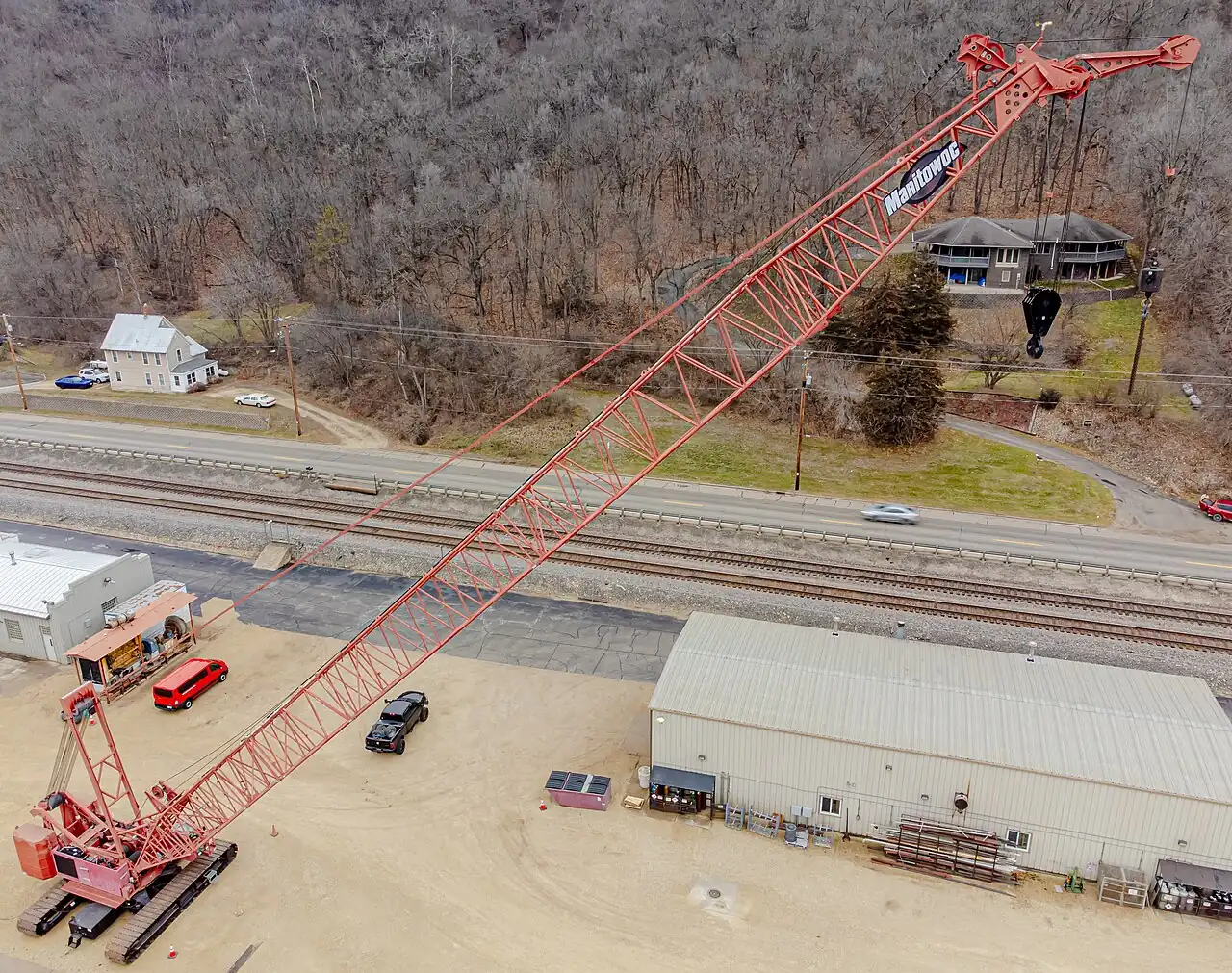
Truck cranes, boom trucks, rough terrain, crawler and tower cranes for port, LNG, industrial and commercial construction work across the Rio Grande Valley's southern tip. Tell us about your lift and we'll connect you with a vetted local crane operator.
Whatever you need to lift in Brownsville & Cameron County, tell us once and we'll match you with a local operator that has the right crane and crew.
Tell us about the lift and get a written quote from a vetted local operator—no cost, no obligation.
Learn more →Hydraulic truck cranes, all-terrain cranes and boom trucks for fast set-ups, HVAC, signs, trusses and equipment.
Learn more →Heavy lattice-boom and telescopic crawlers for bridges, steel, wind, plant and long-duration projects.
Learn more →Tower cranes for multi-story buildings and tight sites, including planning, erection and dismantle.
Learn more →All-wheel-drive RT cranes for unpaved pads, oil field locations and early-stage site work.
Learn more →In-plant lifts, machinery moves, rigging, shutdown support and carry-deck cranes for warehouses and factories.
Learn more →Steel erection, tilt-wall, precast, trusses and roofing lifts for commercial and industrial builds.
Learn more →Urgent lifts for truck rollovers, storm damage, fallen trees and failed equipment.
Learn more →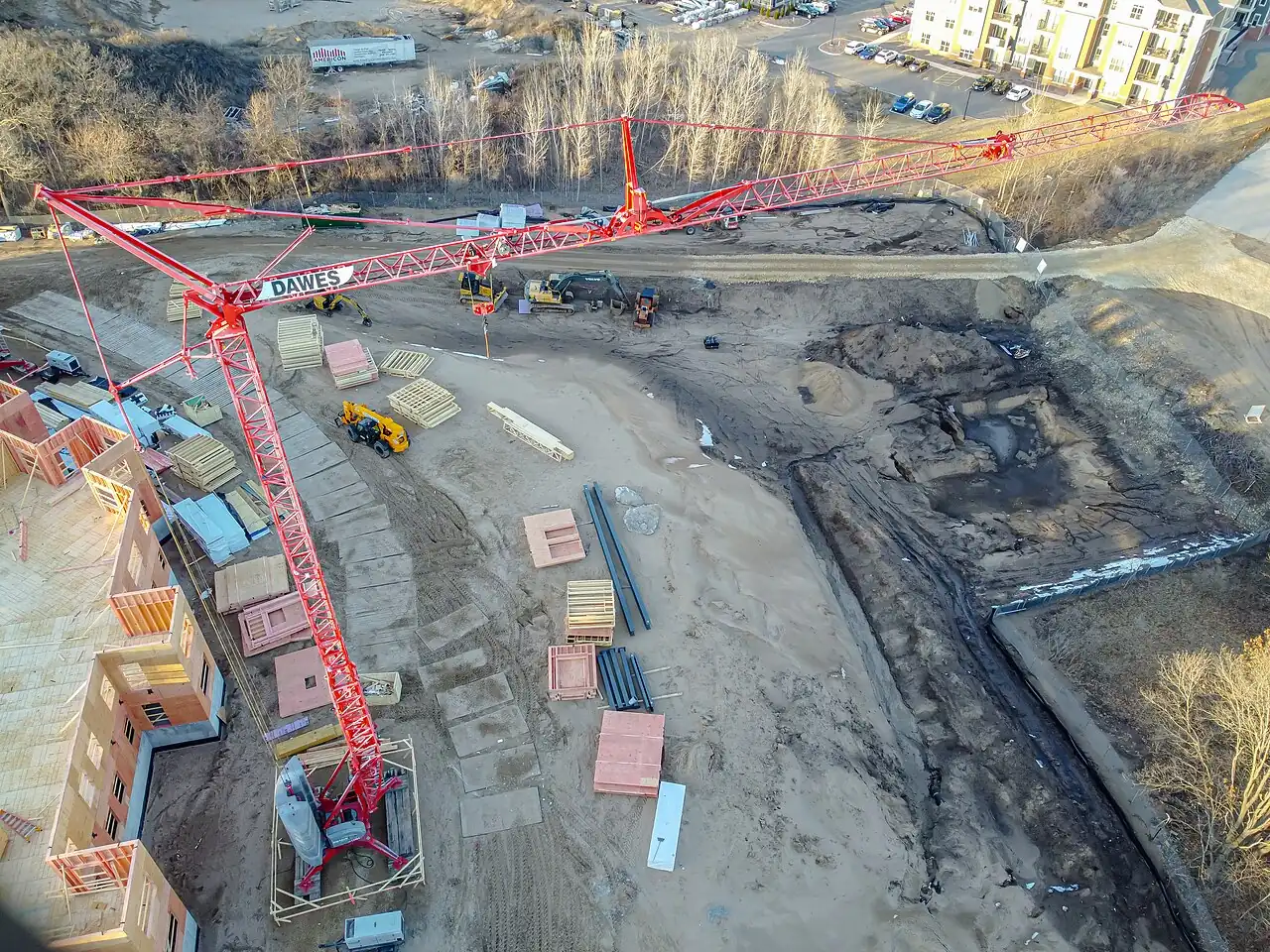
Brownsville is the seat of Cameron County at the southern tip of Texas, across the Rio Grande from Matamoros, Tamaulipas. The Port of Brownsville—the only deep-water seaport directly on the U.S.–Mexico border—anchors two LNG export projects, steel and project-cargo handling, ship recycling and offshore fabrication, while SpaceX's Starbase at Boca Chica keeps building. Add warehouses, schools, hospitals and highway work across the Valley and the result is steady demand for everything from a boom truck on a rooftop unit to large crawler cranes on plant sites.
NextDecade's LNG export facility on the Brownsville Ship Channel has Trains 1–5 (about 30 million tonnes per year) under construction by Bechtel, with roughly 7,500 construction and trades workers expected at peak. Train 1 is expected to start operating in late 2027 and Train 5 in 2031. Recent work includes pile driving, concrete foundations, structural steel erection and LNG storage tank construction.
Glenfarne's Texas LNG terminal is planned on about 625 acres on the Port of Brownsville's north shore. In July 2026 it gave EPC contractor Kiewit a limited notice to proceed covering long-lead equipment orders, engineering and geotechnical work, ahead of a final investment decision and full construction.
Source: Glenfarne – Limited Notice to Proceed for Texas LNG (July 2026)
Starbase became an incorporated city in May 2025. State construction filings list SpaceX's 700,000-square-foot "Gigabay" manufacturing building (estimated $250 million, target completion December 2026), alongside housing, parking garages and community buildings along Boca Chica Highway.
Source: Texas Department of Licensing and Regulation – TABS project TABS2025022205
The only deep-water seaport directly on the U.S.–Mexico border and the largest land-owning public port authority in the country, with about 40,000 acres. Deepening of the 17-mile ship channel to 52 feet is complete. The port moves steel, project cargo and bulk goods and is home to ship recycling and offshore fabrication—heavy-lift work that needs cranes.
Working on the Matamoros side? Brownsville has three international bridges: commercial trucks cross on the Veterans International Bridge at Los Tomates, while the Gateway and B&M bridges carry passenger and pedestrian traffic. Oversize and overweight loads use the Free Trade Bridge at Los Indios, about 25 miles upriver. Moving a crane into Mexico also means customs paperwork and Mexican-side permits and insurance, so tell us early and we will check whether an operator in our network handles cross-border jobs.
| Crane class | Typical capacity range* | Good for |
|---|---|---|
| Boom truck / knuckle boom | ~10–60 tons | HVAC units, signs, trusses, building materials, light equipment |
| Hydraulic truck crane | ~30–120 tons | Quick set-ups, precast, rooftop equipment, general construction |
| All-terrain crane | ~40–500+ tons | Heavy picks with long reach, wind and plant work, highway travel to site |
| Rough terrain crane | ~30–165 tons | Unpaved sites, oil field, new subdivisions, long stays on one site |
| Crawler crane | ~50–600+ tons (larger exist) | Bridges, heavy steel, pile driving, long-duration projects |
| Tower crane | Varies by jib length | Multi-story buildings and tight urban sites over months |
| Carry deck / pick-and-carry | ~4–30 tons | Inside plants and warehouses, tight spaces, moving loads short distances |
*Ranges are typical, not limits. The real capacity of any crane depends on radius, boom length, configuration, counterweight and ground conditions—always check the manufacturer's load chart.
A crane's advertised tonnage is its maximum capacity at a very short radius. At real working distances the capacity drops quickly—a "100-ton" crane may only lift a fraction of that at 60 or 80 feet. To size a crane:
Not sure? Send us the weight, distance and photos—the operator will run the numbers against their load charts before quoting.
It depends on the crane size, how long you need it (hourly minimums, daily, weekly or monthly), travel distance, rigging, permits and whether a lift plan is required. Small boom truck jobs are typically billed with an hourly minimum; large cranes may add mobilization and counterweight trucking. Send your details and you'll get a written quote—free.
Most crane rentals for lifting work in Texas are "operated" rentals, meaning the crane comes with an operator (and often an oiler or rigger on larger cranes). Bare (unoperated) rentals are less common and require your own qualified operator. Tell us which you need.
For small truck cranes and boom trucks, a few days' notice is often enough. Larger all-terrain or crawler cranes, permits, FAA notices and lift plans can take weeks. Earlier is always better; for urgent needs, say so in the form.
No. Brownsville Crane Rental is a referral service. We don't own or operate cranes—we connect you with independent local crane operators who provide the equipment, crew, insurance and final price.
Brownsville and Cameron County, plus nearby towns listed on this site. Tell us the job site city in the form and we'll do our best to find an operator who serves it.
Sí. Puede llenar el formulario en español en nuestra página en español.
No. In Brownsville "grúa" often means a tow truck, but this site is only for crane rental and lifting work—construction, industrial and equipment lifts. For a vehicle tow, contact a towing company.
Large plant sites usually have their own prime contractors and crane fleets, but subcontractors, suppliers and nearby projects often need cranes. Tell us the site and any access requirements (TWIC, safety orientation, badging) and we will look for an operator who can meet them.
Sometimes. Cross-border lifts need customs paperwork and Mexican-side permits, and not every operator does them. Mention it in your request and we will check which operators in our network can help.
Requests from across Cameron County are welcome, including Port Isabel, South Padre Island, Los Fresnos, San Benito, Harlingen and Rio Hondo. Longer distances usually add travel or mobilization charges, which the operator will include in the estimate.
Tell us about your lift anywhere in Brownsville & Cameron County. We'll connect you with a vetted local crane operator who will send a written quote.